


This is a major change in the AI programming landscape. You may have been using Claude 3.5 Sonnet for your development workflows. If so, you are probably aware of the problems that come with it. MiniMax-M2This article will focus on the core design and functionality of. It also explains how it alters the baseline price-performance ratio for workflows that use agentic coding.
Branded as ‘Mini Price, Max Performance,’ MiniMax-M2 targets agentic coding workloads with around Double the speed Leading competitors in The price of these products is usually 8% higher than their actual value. It is important to note that the key difference in this model’s structure and execution of its algorithms and logic is not just cost-efficiency, but also a new computational pattern and a new reasoning pattern. “thinking” During complex tool and code workflows.
It’s all in the Sauce!
MiniMax M2’s native ability to master the language is its most notable feature. Interleaved thinking.
What exactly does it mean?

LLMs tend to operate on a linear basis. “Chain of Thought” CoT), whereby they plan everything in advance and fire off an array of tool requests (such as running code or browsing the internet). Problem? The problem? “state drift” Where the model continues to hallucinate a route that does not exist.
Interleaved thinking The game changes by creating dynamic Plan -> Act-> Reflect loop.
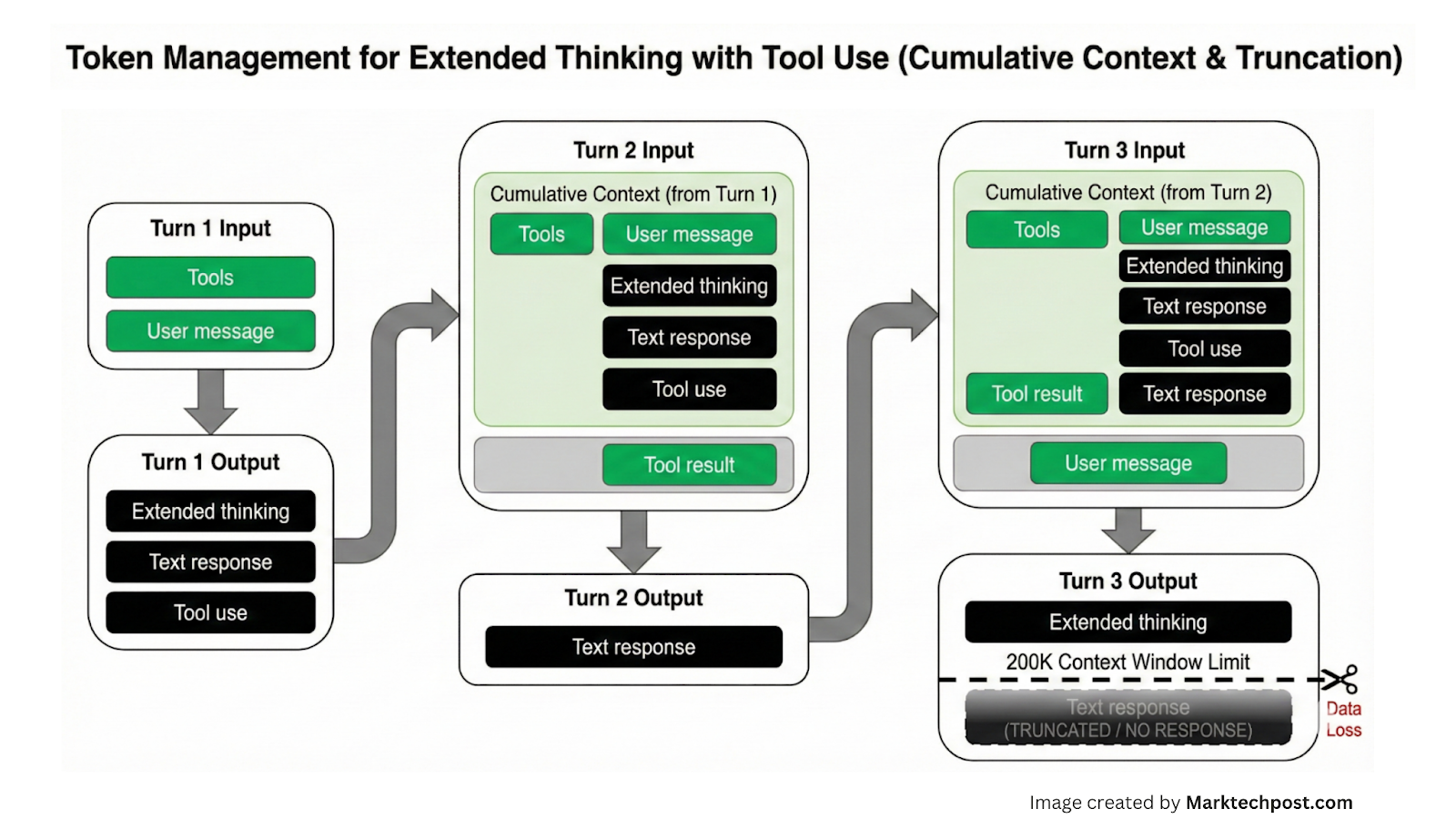
MiniMax M2 uses a combination of explicit reasoning, tool use and logical frontloading. It executes an application, then reads its output. then Justify your reasoning based on the new evidence. It allows you to use the model:
- Self-Correct: Shell reads any errors and immediately adjusts next steps.
- Preservation of State: This carries hypotheses forward and constraint between steps. “memory loss” Long coding jobs are common.
- Handle Long Horizons It is important to use this approach for complicated agentic workflows, such as building an entire feature of an app. The path may not be clear at the beginning.
Interleaved Thinking has had a significant impact on MiniMax M2’s performance. SWE-Bench Verified By over 3% BrowseComp The increase is a whopping 40%.
The MoE is a mix of experts: speed meets smarts
MiniMax M2 has a low-latency performance and is smart enough to be able replace an experienced developer. Its underlying technology is the answer. MoE is a mix of experts architecture.
This massive MiniMax M2 model has an impressive size. Total: 230 billion parametersThe combines a “sparse” activation technique. It only works for a single token per generation. Ten billion parameters.
It is a design that combines the best features of both:
- Huge Knowledge Base: The 200B+ gives you the world-wide knowledge and reasoning ability of a model with a deep understanding.
- Blazing Speed: The Inference model is as light and fast as a 10B, which allows for high performance with low latency.
Interactive agents such as Claude Code, CursorIf you want to know more about. ClineIt is not negotiable. It is essential to have the ability to code and debug real-time. “thinking…” The spinners of Death
Agent & Code Native
It was designed for a variety of tasks, not only text. Workflows for developers from end to end. The tool excels in handling complex codebases, MCP (Model Context Protocol), shells, and browser retrieval.
The AI world is starting to integrate it into its heavyweights:
- Claude Code
- Cursor
- Cline
- Kilo Code
- Droid
It is 90% cheaper than its competitors
MiniMax’s pricing is the best we’ve ever seen. MiniMax practically gives away “intelligence” If you compare the product to those currently leading on the market, it will be a better deal.
API Pricing vs Claude 3.5 Sonnet
- Input Tokens: $0.3 / million (10% of Sonnet cost)
- Cache Hits: $10 / million (or 10% of the cost of Sonnet)
- Output Tokens: The cost of Sonnet is $1.2 million (8%).
Developers can choose from a range of tiered packages. Coding Plans The market was undercut significantly
- Starter: The first month is $2 off.
- Pro: $20/month.
- Max: Up to five times the Claude Code Max usage limits.
Developers with open-source expertise and familiarity with MiniMax models, as well as those who have been active on platforms such GitHub The following are some examples of how to get started: Hugging Face.
The Key Highlights of the Program:
- What are the incentives? All Ambassadors are entitled to complimentary entry. Code Plan MiniMax-M2Early access to video and audio unreleased models, direct feedback channels from product leaders, and possible full-time job opportunities.
- This is Your Role Participants will be expected to create public demos, open-source tools and give critical feedback before the public launch of APIs.
Sign up for our newsletter here.
Editorial Notes
MiniMax-M2 challenges this idea. “smarter” What does it mean? “slower” You can also find out more about “more expensive.” You can leverage MOE efficiency The following are some examples of how to get started: Interleaved thinkingIt offers an attractive alternative to developers looking for a way to create autonomous agents, without having their API budget blown.
The ability to architect systems is becoming increasingly important as we progress towards a future where AI agents not only write code, but also design entire systems. “think, act, and reflect” Continuously, and at a low price, M2 could become the new standard of AI engineering.
Thanks to the MINIMAX AI team for the thought leadership/ Resources for this article. MINIMAX AI team has supported this content/article.

Jean-marc, an AI Business Executive is successful. He accelerates and leads growth for AI powered products and services. A Stanford MBA, he is an experienced speaker for AI conferences.
