


Substack has a status.
Relying on who you ask, it’s both the very best place to construct a publication enterprise or a platform that solely works for big-name writers. The reality? It’s someplace in between.
Whereas Substack has helped established journalists and authors go impartial, it’s additionally a strong device for up-and-coming writers, area of interest creators, and anybody trying to construct an viewers with out counting on social media algorithms. However is it the precise platform for you?
As a publication author myself, I understand how powerful it may be to choose a platform. There are many nice choices, and selecting one seems like a dedication—particularly in the event you’re planning to develop long-term. I don’t presently host my publication on Substack (I went with beehiiv), however I significantly thought-about it (and I’m even eyeing it for a aspect mission I’ve been workshopping). All this to say, I’ve spent plenty of time taking a look at what makes Substack work and the place it falls quick.
To chop by the noise, I mixed my data with insights from actual Substack creators to see what’s working, what’s difficult, and the way they’re fascinated with viewers development and monetization.
Should you’re contemplating beginning a Substack (or simply desire a behind-the-scenes take a look at how others are making it work), this information has you lined.
Let’s get into it.
Why creators select Substack
For some, Substack is a no brainer—the best solution to begin writing and construct an viewers. For others, it’s a strategic selection, providing direct monetization and a built-in reader community.
However why do creators truly select Substack over different platforms like Medium, Beehiiv, or perhaps a self-hosted publication? Their solutions got here down to some key causes.
- It’s simple to begin (and free to make use of): Many platforms require upfront funding or technical know-how. Substack makes it easy: join, begin writing, and electronic mail your subscribers with out touching a line of code. “The fact that it’s free has been the reason I’ve stuck with it… it doesn’t cost me anything to publish,” stated Fio Dossetto, who writes the content material advertising publication Content Folks. “That meant I could experiment without pressure.”
- It provides you direct entry to your viewers: Regardless of the built-in social media ingredient with Substack Notes, the platform lets you construct an electronic mail listing and talk with subscribers instantly with out worrying about algorithms. Your viewers truly receives what you ship. For a lot of writers, that’s a game-changer. “It’s not a feature per se—but the fact that it’s email-based means my work actually reaches my audience. I don’t have to fight an algorithm to get in front of my own subscribers,” stated Fio.
- It has built-in discovery instruments: Substack isn’t only a publication platform—it’s a community. Readers on Substack can uncover new writers by suggestions, the Substack app, and the platform’s editorial options. For publication creators, this built-in viewers makes a world of distinction. When requested which Substack characteristic has had probably the most impression, Lily Ugbaja, who writes about nice advertising from totally different corporations on Marketing Cyborg, stated, “The network effects honestly. How easy it is for people to recommend your newsletter and for new readers to find you—this has been huge for me.”
- Monetization is built-in: For writers trying to earn from their content material, Substack provides seamless monetization by paid subscriptions. Whereas not each Substack creator chooses to monetize, having the choice to take action with out organising a separate fee system is a significant benefit.
- It seems like a neighborhood: Many writers recognize that Substack fosters an area for deeper, extra engaged conversations in comparison with fast-moving social media. Options like Substack Chat and Notes enable for ongoing interplay past simply electronic mail updates. Anna Mackenzie, who writes Anna Mack’s Stack, a weekly publication on constructing a profession past a 9-5, stated in regards to the neighborhood, “There is such considered discussion in Notes and my comments. I didn’t expect Substack to feel this interactive.”
Offered? Maintain on a second — let’s stroll by a number of the challenges creators face with the platform.
Challenges creators face with Substack
Substack makes it simple to begin a publication—however that doesn’t imply it’s simple to develop and maintain one, irrespective of which platform you select.
Each creator faces obstacles, whether or not gradual viewers development, burnout, or determining find out how to monetize successfully. And between the medium of newsletters and the platform itself there are a couple of limitations to consider.
- It would take some time to develop an viewers: Though content material on Substack can go viral in a single day, publication development, normally, tends to be gradual and regular. Many writers anticipate subscribers to flood in instantly, however that’s hardly ever true. “It took months before I saw real traction,” stated Fio Dossetto. “You have to play the long game. Keep showing up even when it feels like no one is reading.” I second this as somebody with a publication of her personal.
- Consistency generally is a battle: Many Substack writers begin robust however battle to maintain up with their publishing schedule. Life will get busy, inspiration dips, and the strain to maintain writing can really feel overwhelming.
- Monetization isn’t instantaneous — or out there to everybody: Many writers assume they will launch a Substack and instantly begin being profitable. In actuality, monetization is a long-term play—constructing belief and a loyal readership takes time. Anna Burgess Yang, who writes about the way forward for work and profession development in Work Better shared, “I do [monetize], but I have very few paid subscribers. It’s been a slow climb, and I’m still figuring out how to make it sustainable.”
- Substack’s limitations: Whereas Substack is nice for simplicity, it does have some limitations—particularly with regards to customization, design, and analytics. Some writers like Fio discover it irritating that they will’t customise their publication format as a lot as they’d like. Fio shared, “There are some serious style limitations. I wish Substack allowed for more formatting options.”
Now that we’ve walked through the perks and downsides let’s walk through exactly how to set up your own Substack—from choosing a name to hitting publish on your first post.
How to set up a Substack newsletter
Starting a Substack is simple. You can create an account and publish your first post in minutes. But setting it up well requires a bit more thought.
From choosing a name to writing an engaging bio, these early steps can make a big difference in how potential readers perceive your newsletter.
Here’s how to set up your account for success.
1. Create a Substack account
The first step is to head to substack.com and sign up and follow the prompts to set up your profile.
Your profile is your Substack “about me” section—it appears on your newsletter page and in every email footer.
On your profile page (which you can access through the images at the top-right or bottom-left of your homepage), click Settings to edit your profile picture, name and bio.

Your image can be a picture of you or a logo for your newsletter. However, a well-written bio helps potential readers quickly understand what you and your newsletter are about and why they should care.
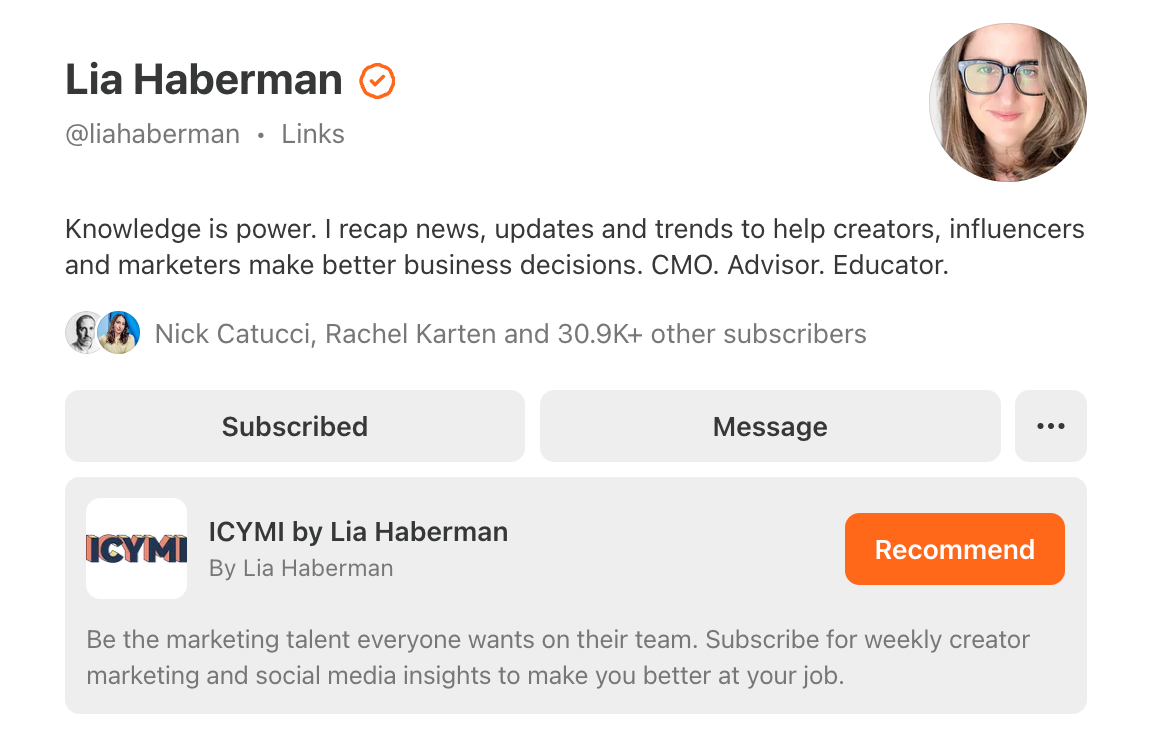

A strong bio:
- Clearly states the newsletter’s focus
- Highlights who it’s for
- Uses a conversational, approachable tone
For example, instead of:
“I’m a advertising professional sharing my ideas on digital tendencies.”
Try:
“Each week, I break down digital advertising tendencies into actionable methods—so you’ll be able to develop your model with out the guesswork.”
You can (and should) also connect your social media so that people can find you elsewhere.
2. Set up your newsletter as a publication
Once your account is set up, select Start Writing on your home page to start setting up your newsletter.
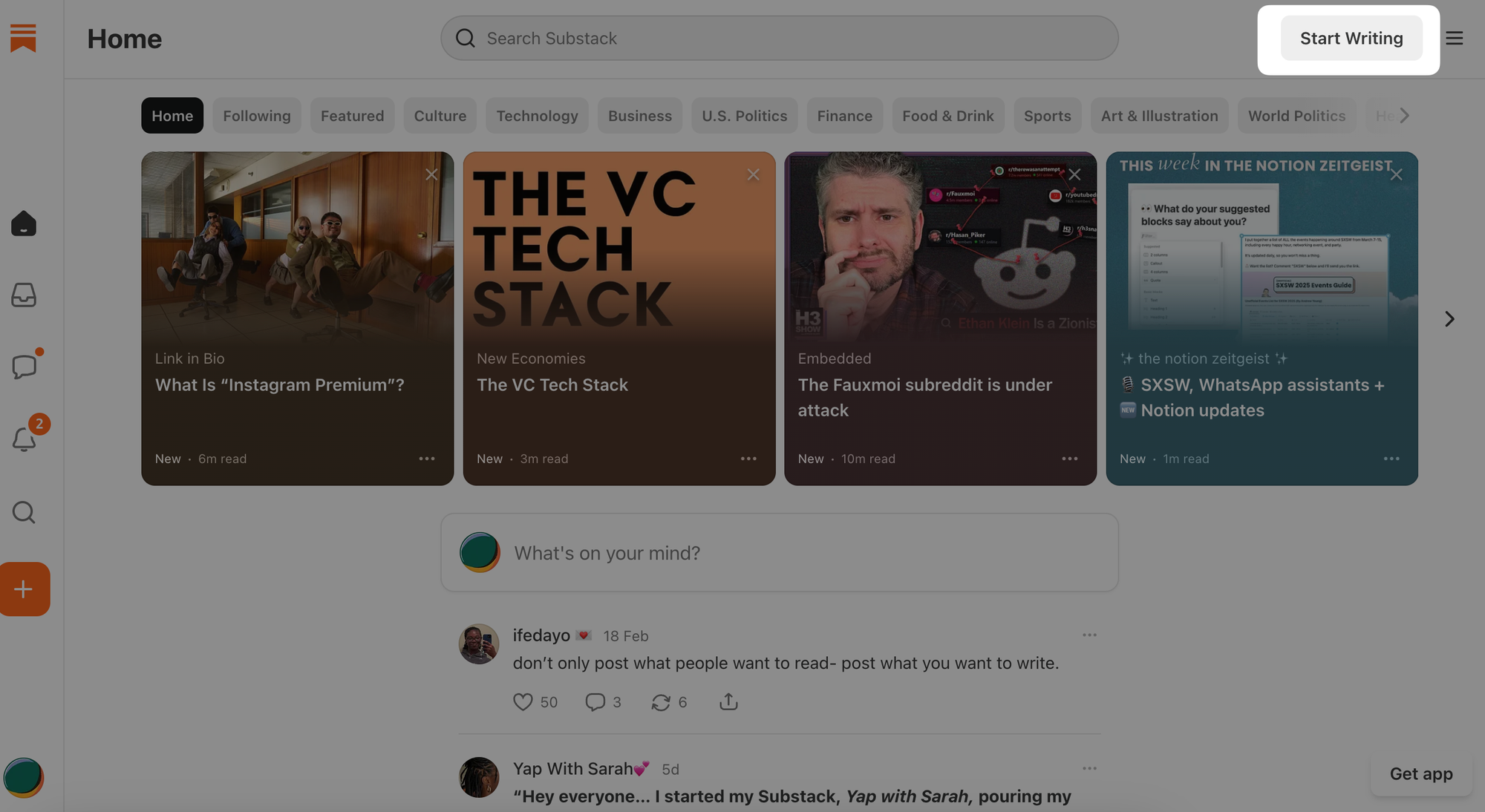
You’ll be taken to a brand new clean web page, however I like to recommend you hit the again button to customise your publication earlier than you begin publishing.

Once you’re on the homepage, click on the Settings button to set up your newsletter properly.
First, you’ll need to scroll to the bottom of the Settings page, then select Convert to publication to gain full customization capabilities.
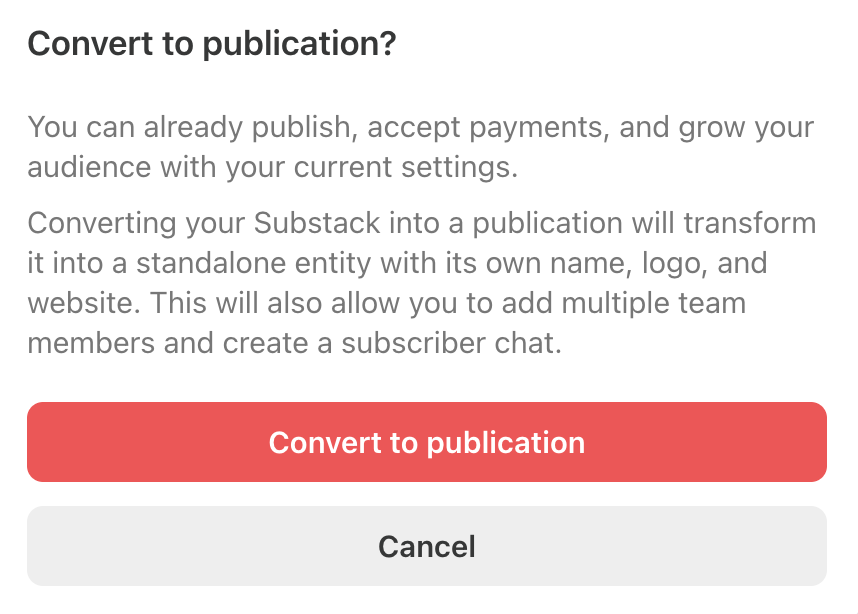
💡
Now, you can change your newsletter name, add branding, welcome emails and other custom content. Here are a few key options to check:
- Publication design: Upload a logo or banner and choose a simple color scheme. Substack doesn’t allow heavy customization, but small branding touches can make your page feel more polished.
- Welcome message: Customize the automated email that new subscribers receive. This is your first direct interaction with readers—use it to introduce yourself and set expectations for what they’ll receive.
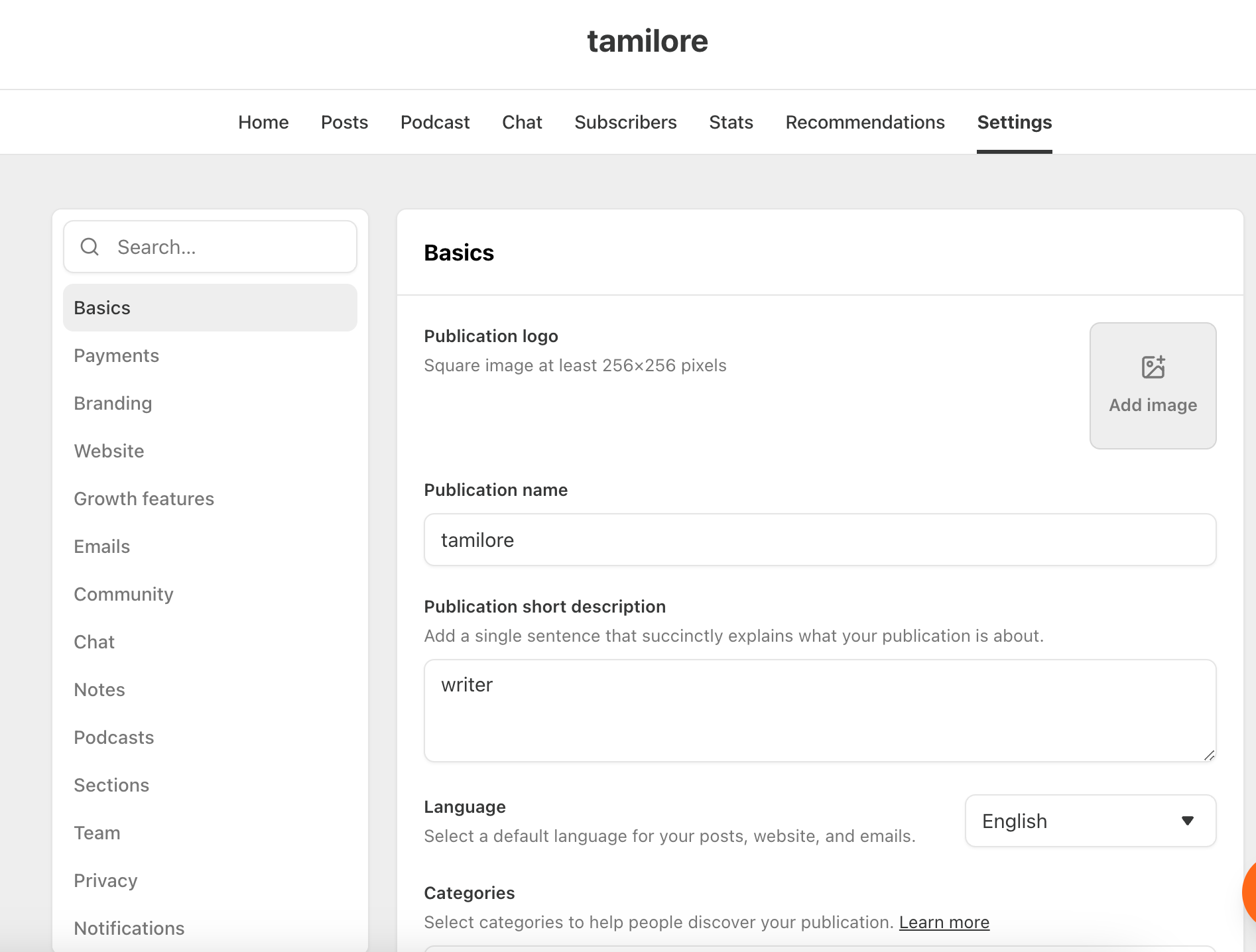

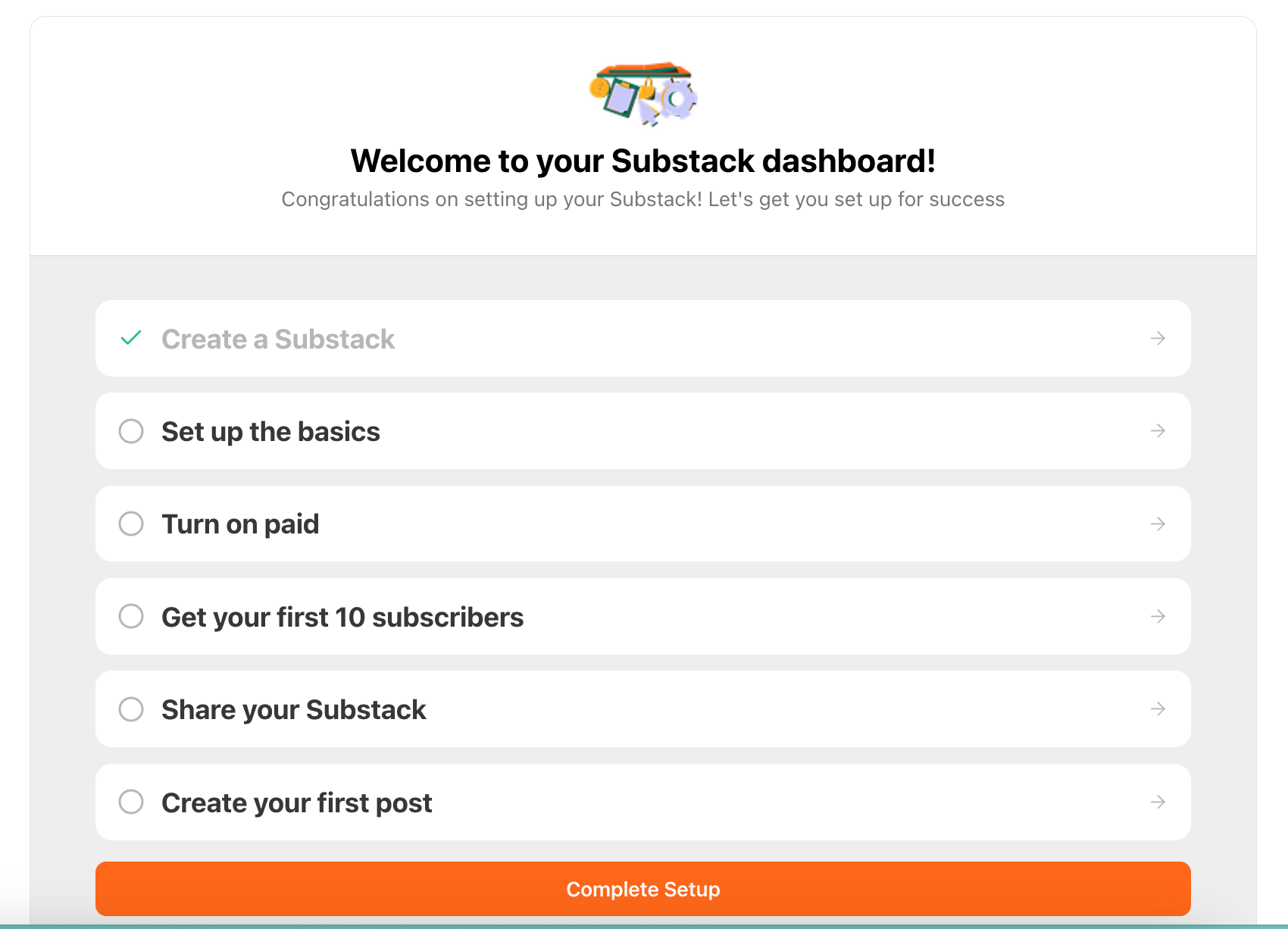
And if you need to take a pause before you set up, Substack will have this handy checklist waiting for you in your Dashboard.
3. Write a welcome post (optional but recommended)
A welcome post isn’t required, but it’s a great way to introduce yourself and your content before you start sending regular newsletters. It also gives first-time visitors something to read when they land on your page. Some creators go super detailed, while others keep it simple.
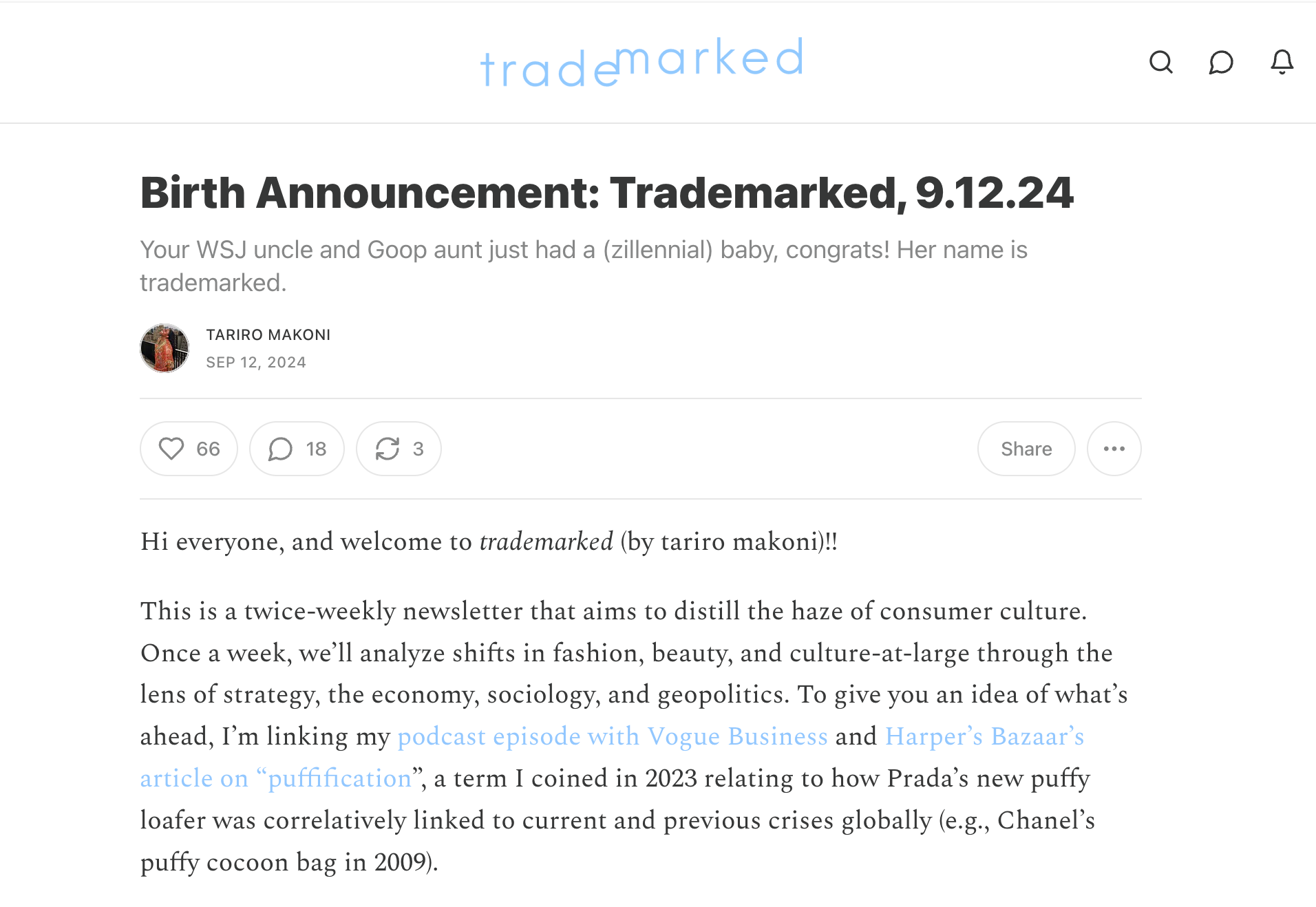

A simple format for a welcome post:
- Introduce yourself: Who you are and why you’re starting this newsletter
- Explain what readers can expect: The topics you’ll cover and how often you’ll publish
- Encourage engagement: Ask readers to reply with their thoughts or share the newsletter with others
5. Start building your email list
If you have an existing audience—on social media, LinkedIn, or elsewhere—now’s the time to inform them about your newsletter.
Substack makes this easy with tools like:
- A unique subscribe link to share anywhere
- An import feature to bring in email lists (as long as you have permission)
- Embeds and buttons to add a signup form to your website
Don’t wait until you have the perfect newsletter to promote it. Start sharing your Substack as soon as possible—you can refine it as you go.
How to develop a winning content strategy for Substack
Once your Substack is set up, the next big question is: What should I write about?
While there’s no single “right” way to approach Substack, the most successful newsletters tend to have a clear focus, a consistent publishing rhythm, and a strong voice.
I asked the creators how they plan their content, and their advice boils down to three key steps.
1. Define your niche (or at least your starting point)
Before publishing your first post, it helps to have a general idea of what you want to write about. Your niche doesn’t have to be hyper-specific, but a clear focus makes it easier to attract the right audience.
It can give you a serious advantage in search, as Lade Falobi, who shares product marketing insights in Marketing for Geeks, shares, “I want I’d identified to optimize for search earlier. It’s not nearly writing nice content material—it’s important to make it simple for individuals to seek out you.”
Some questions to help define your niche:
- What topics do you enjoy writing about?
- Who do you want to attract as readers?
- What unique perspective or expertise do you bring?
That said, don’t overthink it. Some of the best newsletters started with writers simply exploring ideas and refining their niche along the way.
2. Choose a format that works for you
Once you have a general topic, think about how you’ll structure your newsletter. Will it be essay-style deep dives? Short insights? Curated industry news? Interviews?
You don’t have to limit yourself to “traditional” formats — some of my favorite creators go against the grain to share incredibly formatted content, like Gabby Whiten, who writes Oh Eight, a lifestyle and fashion newsletter, and creates these elaborate collages for each issue.

Some popular newsletter formats on Substack include personal essays or storytelling, practical guides & how-tos, curated content, and interviews & case studies.
There’s no right or wrong choice, so just pick a format you’ll enjoy writing consistently.
3. Set a realistic publishing schedule
Consistency is key on Substack, but that doesn’t mean you must publish constantly. The best schedule is one you can stick to without burning out.
A common rhythm for new writers is once a week, but some creators publish biweekly, while others send updates multiple times a week.
4. Quality over quantity
The biggest mistake new writers make? Publishing for the sake of publishing. Consistency matters, but high-quality, valuable content is what keeps readers subscribed.
Rather than stressing over frequency, focus on delivering posts that inform, entertain, or challenge your readers in some way.
How to grow your audience on Substack
Once you’ve started writing, the next challenge is getting people to actually read your newsletter. Unlike social media platforms, where content can go viral overnight, newsletter growth tends to be more gradual—but that doesn’t mean it has to be slow.
I asked Substack creators what worked for them, and their responses revealed a few key strategies for building an engaged audience.
1. Use Substack’s built-in tools
One of Substack’s biggest advantages over self-hosted email lists is its built-in discovery features. Readers can find you through Substack Recommendations, the Substack app, and Notes (Substack’s short-form social feed). To maximize Substack’s discovery features:
- Turn on Recommendations: This lets you recommend other newsletters, and in return, others may recommend yours. Many writers say this is one of the most effective growth strategies.

- Use Substack Notes: This works like a Twitter feed but within Substack’s ecosystem. Sharing thoughts, links, or even snippets of your posts can help attract new subscribers. Success Lawal, who writes Dear Digital Marketing Newbie, says, “Substack Notes has been helpful for sharing quick updates and fascinating with my viewers exterior of simply newsletters.”

- Engage in Substack Chat: If you have paid subscribers, Chat allows for direct, paywalled community engagement, which can increase retention and word-of-mouth referrals.

Finally, like many other social platforms, keep an eye out for new features and take advantage of them. For example, Substack just introduced a video feed and while it’s not super popular yet, it’ll be a great way to start promoting your content within the app.
2. Promote on social media strategically
Many creators grow their Substacks by consistently sharing their content on social platforms like X, LinkedIn, TikTok, and Instagram. The key? Posting teasers, insights, and value-driven content instead of just dropping a link.
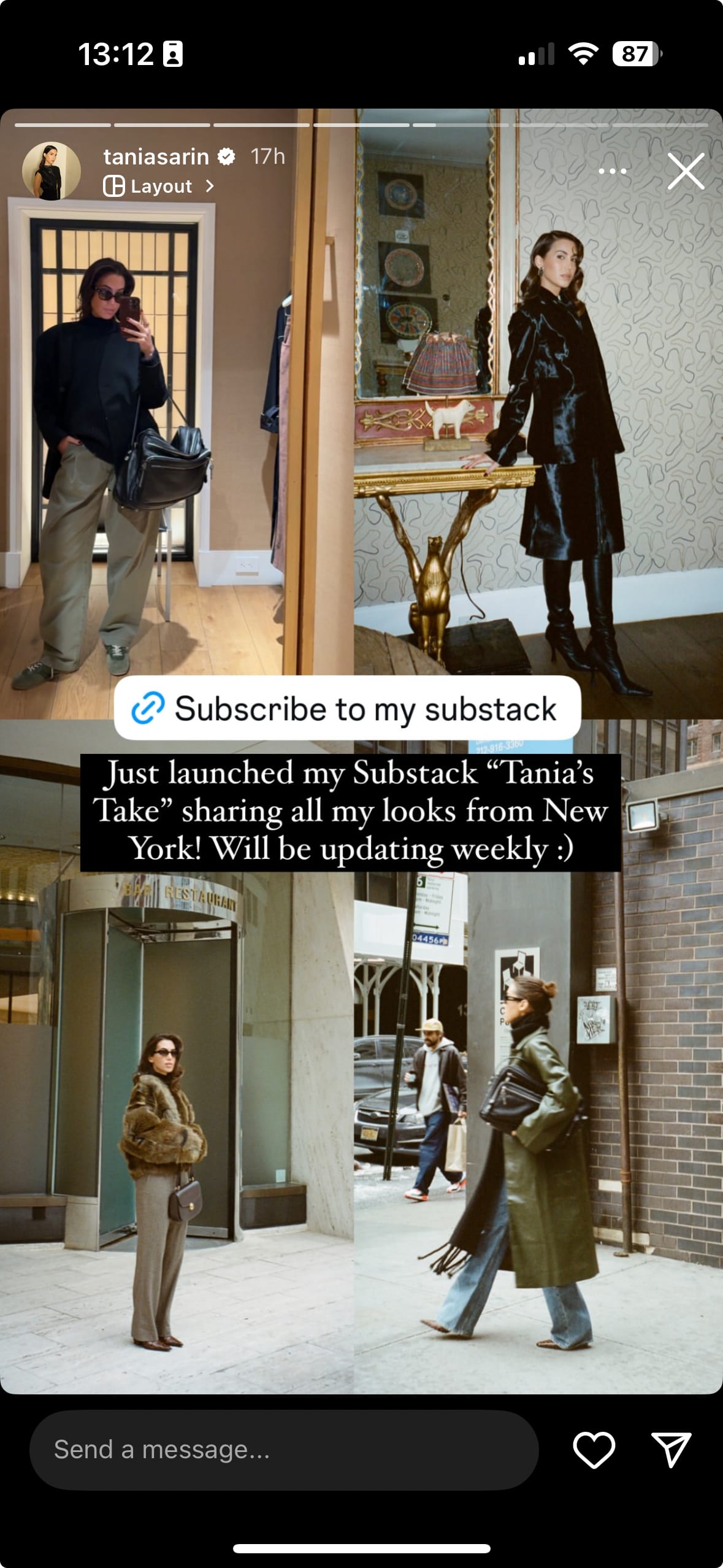
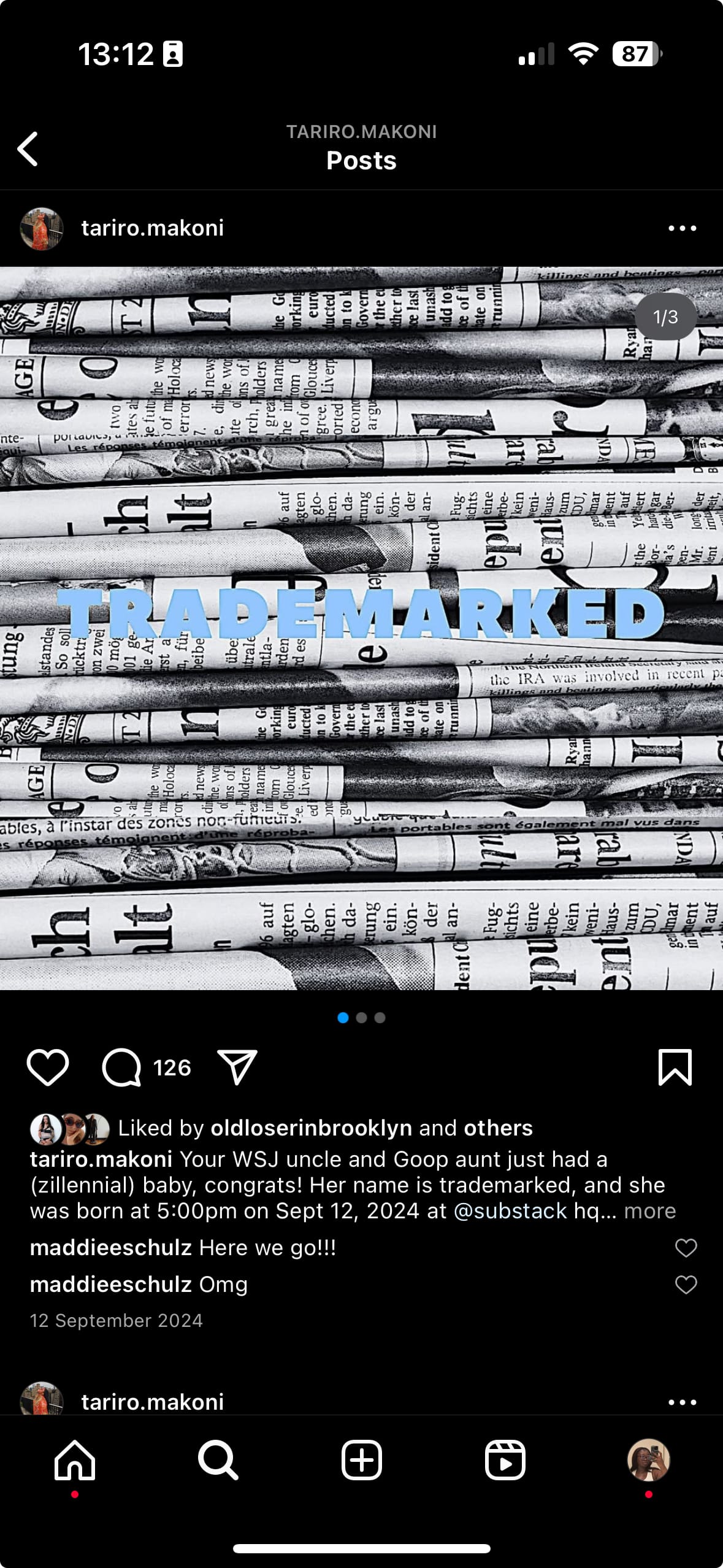
Utilizing Substack’s inner options can also be one solution to leverage social media, as Anna Burgess Yang shared, “Very, very just lately, I began ‘restacking’ quotes from different Substack writers as a solution to enhance visibility. It’s been attention-grabbing to see how that helps in engagement.”
If your content is visual or educational, consider repurposing newsletter content into carousels or short videos and share short, engaging takeaways then link to your full post.
3. Cross-promote with other newsletters
One of the fastest ways to grow on Substack is by collaborating with other writers in your niche. Cross-promotions, guest features, and newsletter swaps can expose your content to an entirely new audience.
You can do this by reaching out to other writers to feature their work or offer to write a guest issue for another Substack.
4. Convert readers into advocates
Some of the best subscribers come from word-of-mouth. The best way to encourage this? Ask your readers to share. A simple “If you enjoyed this, consider forwarding it to a friend” at the end of your emails can work wonders.
You should also consider recognizing active readers to create a stronger community and encourage sharing.
While Substack doesn’t have a built-in referral program (yet), some writers manually track referrals and offer small perks like exclusive content.
How to monetize on Substack
Substack’s biggest selling point for many writers is its built-in monetization tools. Substack allows creators to get paid directly by their audience through paid subscriptions.
But when is the right time to introduce a paid tier? How do you actually get people to pay? And are subscriptions the only way to earn?
- When should you start charging? One of the biggest decisions new Substack writers face is when (or if) to introduce paid subscriptions. Some start charging from day one, while others build a free audience first. “I turned on monetization from the start, and it will likely be attention-grabbing to see the way it goes. I didn’t wish to wait till I had a sure variety of subscribers.” says Amer Hamidi-Sakr, who writes The Legacy Blueprint, a newsletter on philosophical topics. If you’re hesitant to do this, don’t worry. A common approach is to wait until you have at least a few hundred engaged free subscribers before launching a paid tier. This gives you time to build trust, establish a writing rhythm, and understand what your audience values most. If you’re unsure, consider a soft launch—turn on the paid option, but don’t heavily promote it yet. That way, early supporters who want to pay can do so while you continue growing your free audience.
- How much should you charge? Substack lets you set your subscription prices, typically offering monthly, yearly, and founding member tiers. Anecdotally, most creators stick with a default $8 per month or $80 per year pricing model, with a founding tier that offers a few more perks for a higher price point, usually $80-200.
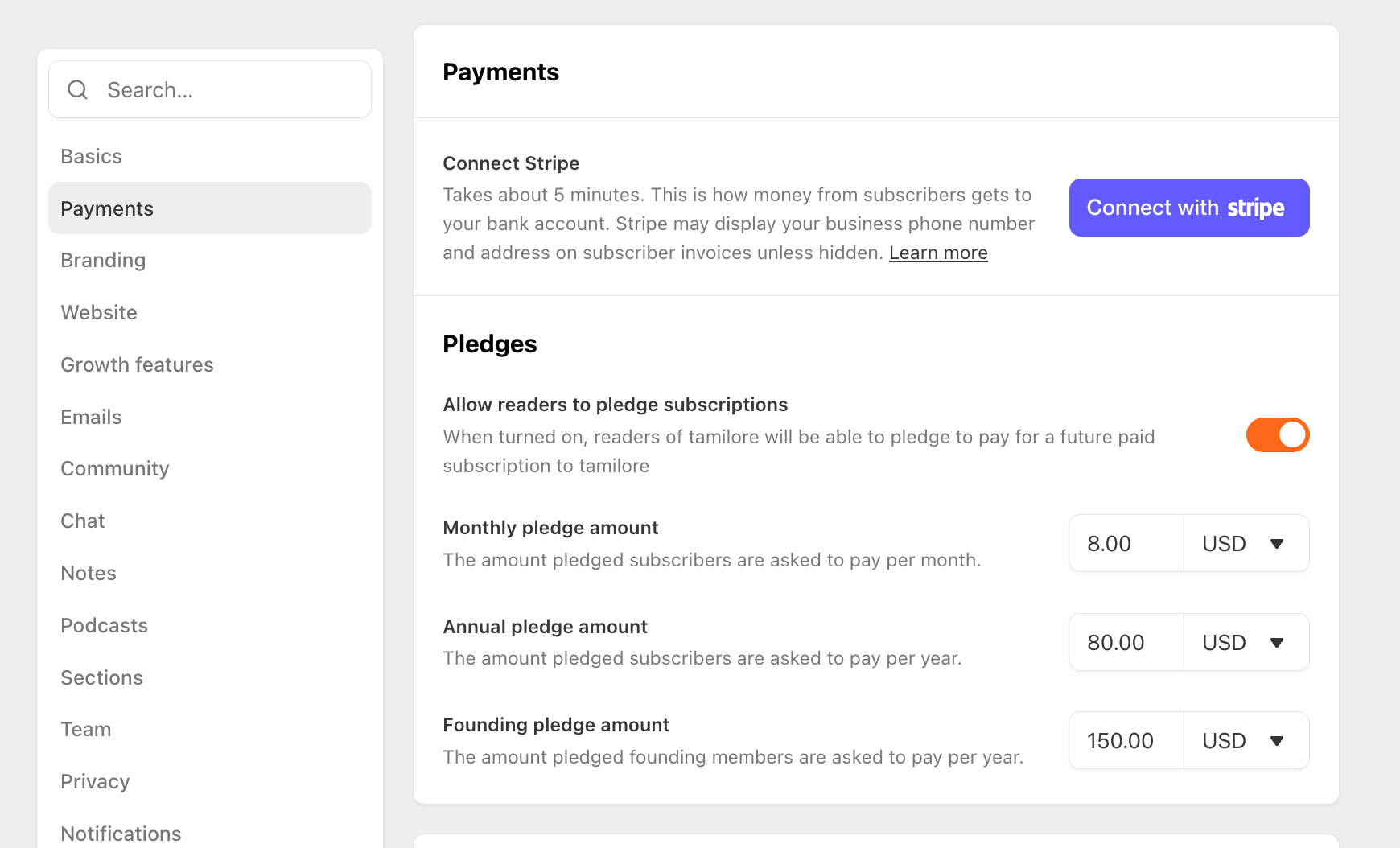

- What should you put behind a paywall? Not every post has to be paid—many successful Substack writers use a hybrid model, where some content remains free while premium content is for paid subscribers. “I publish 4 essays on Substack per thirty days, and a kind of is behind a paywall. This manner, free readers get loads of worth whereas I nonetheless supply exclusivity to paid members,” says Anna Burgess Yang. The secret’s making your free content material adequate that readers naturally need extra. In case your free content material is efficacious, individuals might be extra inclined to help you financially.
- Discover different methods to become profitable on Substack: Paid subscriptions aren’t the one monetization possibility. Many Substack creators additionally earn by: sponsorships, internet online affiliate marketing, one-time funds utilizing platforms like Purchase Me a Espresso for ideas and consulting, programs, or merchandise.
Tips on how to convert free readers into paying subscribers
Getting individuals to subscribe at no cost is one factor. Getting them to pay is one other.
Listed below are 3 ways to extend conversions:
- Be direct: Point out your paid tier in your emails (with out being pushy). A easy line like “If you enjoy my writing, consider upgrading to a paid subscription” could make a distinction.
- Supply a free trial: Substack helps you to give potential subscribers a 7-day free trial to paid content material. This lowers the barrier to entry.
- Spotlight social proof: If others are paying, point out it! Readers usually tend to subscribe in the event that they know they’re not alone.
Success Lawal shared one technique she’s contemplating: “My plan is to have exclusives like video interviews and deep-dive research reports for paid subscribers. People will pay if they see a real difference in what they get.”
Should you’ve made it this far, you’ve gotten all the pieces you’ll want to begin—and maintain—a profitable Substack publication.
Crucial ingredient of rising on Substack is participating together with your viewers.
Not like social media, newsletters aren’t a one-way road. Your subscribers aren’t simply followers—they’re individuals who care sufficient about your work to ask it into their inbox.
Encouraging replies, beginning conversations, and making your readers really feel valued can assist create a loyal, engaged viewers.
A chief instance of this in motion is Emily Sundberg, founder and writer of Feed Me, a every day enterprise publication on Substack. She has constructed greater than only a publication—she’s created a media model with a deeply engaged neighborhood, reaching ~50,000 subscribers and producing ~$400,000+ yearly.
Melissa Blaser broke down what makes her so profitable on LinkedIn, however what it boils all the way down to is that this: Her success isn’t nearly writing nice content material—it’s about making Feed Me an interactive expertise.
Readers don’t simply wish to eat content material—in addition they wish to take part. The extra you interact with them, the extra invested they change into.
Should you’ve been fascinated with launching a Substack, contemplate this your signal to begin. Your first put up gained’t be good. Your first 10 subscribers would possibly simply be family and friends. However each nice publication began the identical approach — with one put up and one reader.
So go forward: join, write your first put up, and hit publish.
